Discovering Rural Heritage: Bhalil, Sefrou, Ifrane, Imouzzer

Discovering Rural Heritage:
Bhalil, Sefrou, Ifrane, Imouzzer

These four localities offer a wealth of rural heritage to explore, combining nature, culture, and traditions. Each has its unique character and is worth discovering.

Itinerary

1. Bhalil
  • Architecture: Bhalil is famous for its troglodyte houses, carved into the rock.
  • Craftsmanship: The potters of Bhalil are renowned for their traditional ceramics.
  • Culture: The town is known for its Berber traditions and local festivals.
  • History: A historic city with a rich medina, Sefrou is known for its cherry festivals.
  • Heritage: The ancient walls and gates of the medina testify to its past.
  • Events: The International Cherry Festival attracts visitors from around the world.
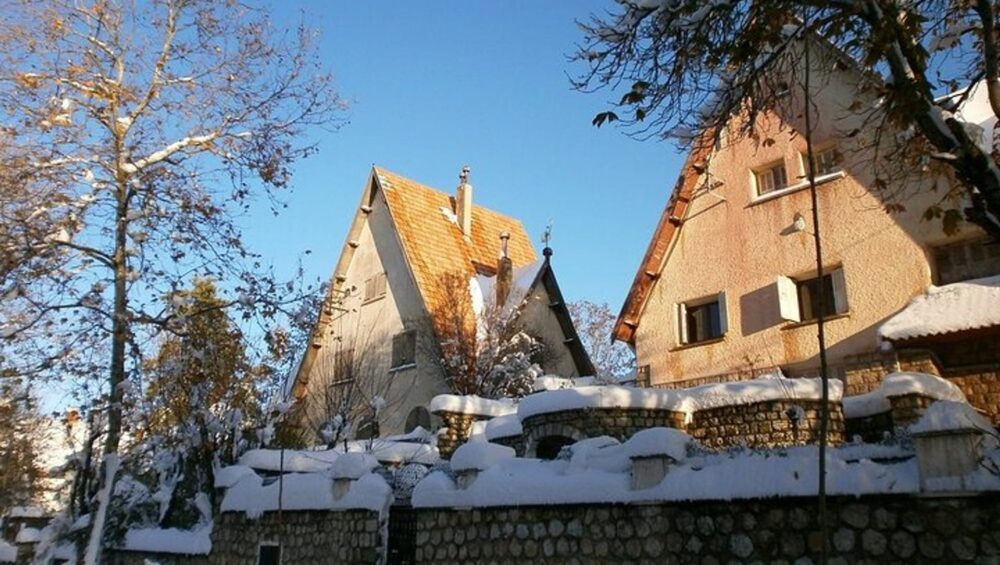
  • Nature: Often called « Little Switzerland, » Ifrane is known for its mountainous landscapes and lakes.
  • Architecture: Alpine-style buildings and well-maintained gardens add to its charm.
  • Activities: It is a popular destination for skiing and hiking.
  • Landscapes: Imouzzer is famous for its waterfalls and lush valleys.
  • Local Culture: The region is rich in Amazigh traditions and local craftsmanship.
  • Gastronomy: Local products, especially honey and aromatic herbs, are highly appreciated.

Travel Tips

  • Transportation: Renting a car is a convenient way to explore these areas. Alternatively, consider hiring a local guide for a more immersive experience.
  • Best Time to Visit: Spring (March to May) and autumn (September to November) offer pleasant weather for outdoor activities.
  • Local Cuisine: Don’t miss trying traditional Moroccan dishes, especially tagines and local pastries.

If you’re based in Fez, exploring the rural heritage of Bhalil, Sefrou, Ifrane, and Imouzzer offers a delightful journey through Morocco’s rich culture and stunning landscapes. Here’s a guide to each location:

Discovering Rural Heritage: Errachidia, Midelt, Merzouga

Discovering Rural Heritage:
Errachidia, Midelt, Merzouga

Embarking on a journey from Fez to Errachidia, Midelt, and Merzouga offers a unique glimpse into Morocco’s rural heritage, characterized by diverse landscapes and rich cultural traditions. Here’s a guide to each destination:

Itinerary

1. Errachidia
  • Distance from Fez: Approximately 200 km (about 2.5 hours by car).
  • Highlights:
    • Ziz Valley: Explore the stunning Ziz Valley, known for its palm groves and dramatic landscapes.
    • Cultural Heritage: Visit local markets to experience traditional Berber culture and crafts.
    • Historic Sites: Discover the remnants of the Kasbahs that dot the region.
  • Distance from Fez: About 150 km (around 2 hours by car).
  • Highlights:
    • Apple Orchards: Midelt is famous for its apple production, especially in the fall.
    • Mountains: Surrounded by the Atlas Mountains, it’s a great spot for hiking and enjoying nature.
    • Mineral Markets: Explore shops selling local minerals and fossils, a unique aspect of the region.
  • Distance from Fez: Approximately 470 km (about 6 hours by car).
  • Highlights:
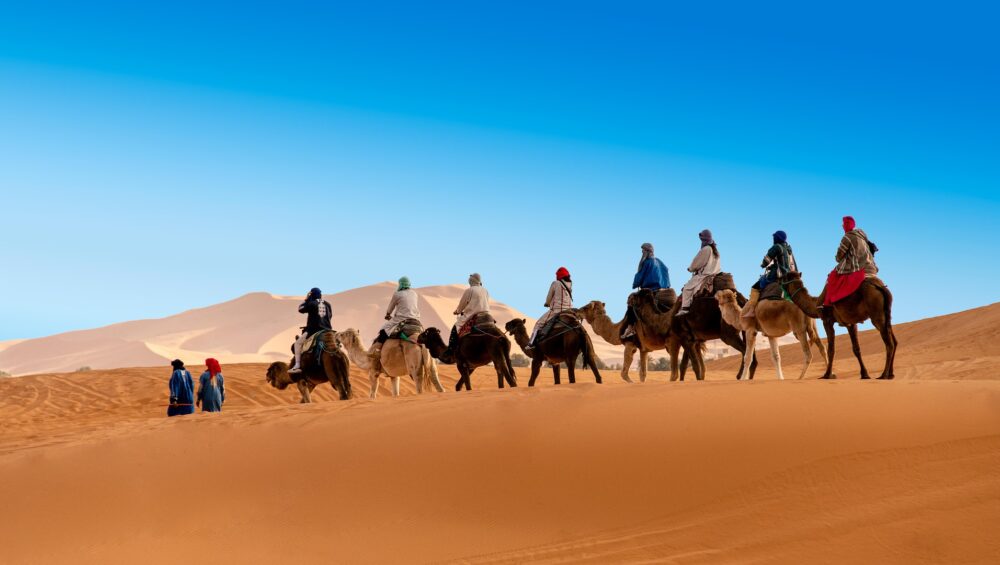
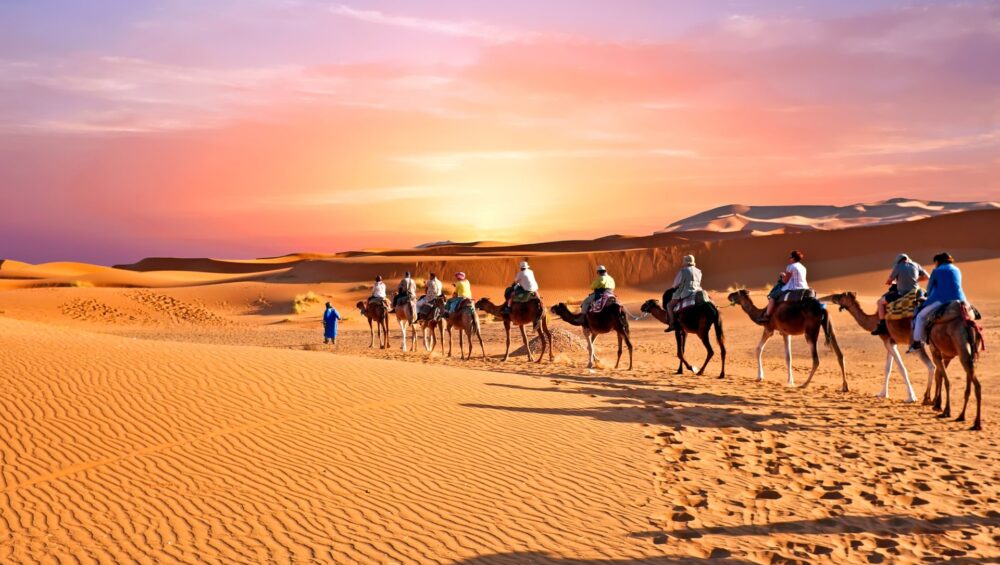
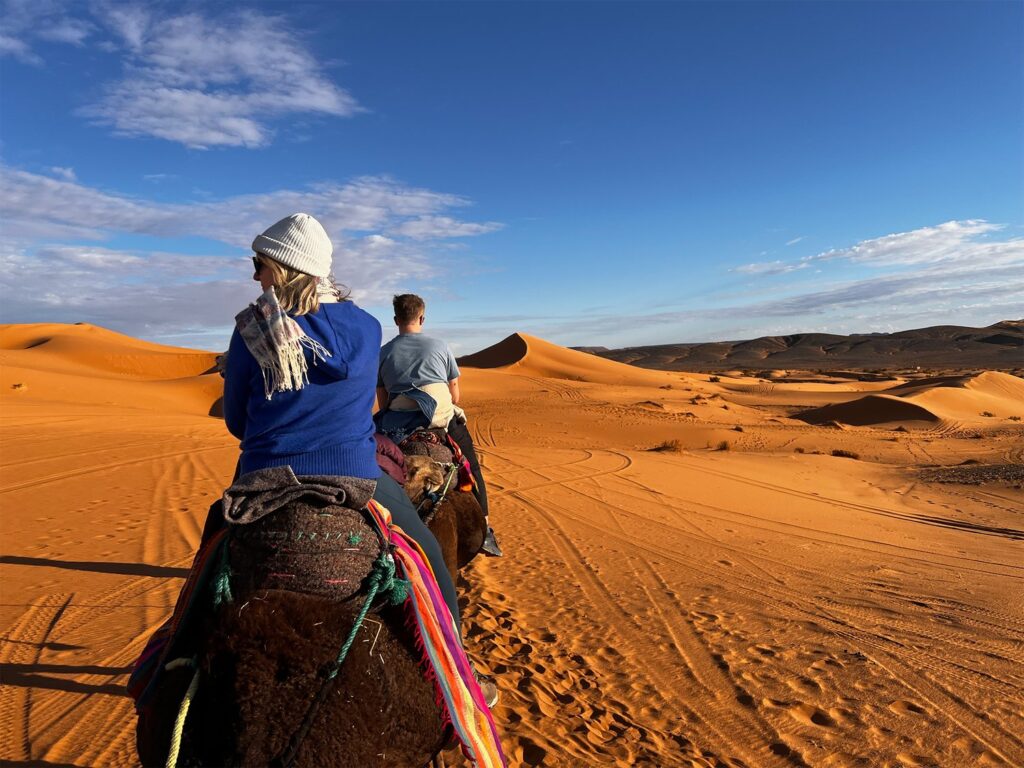
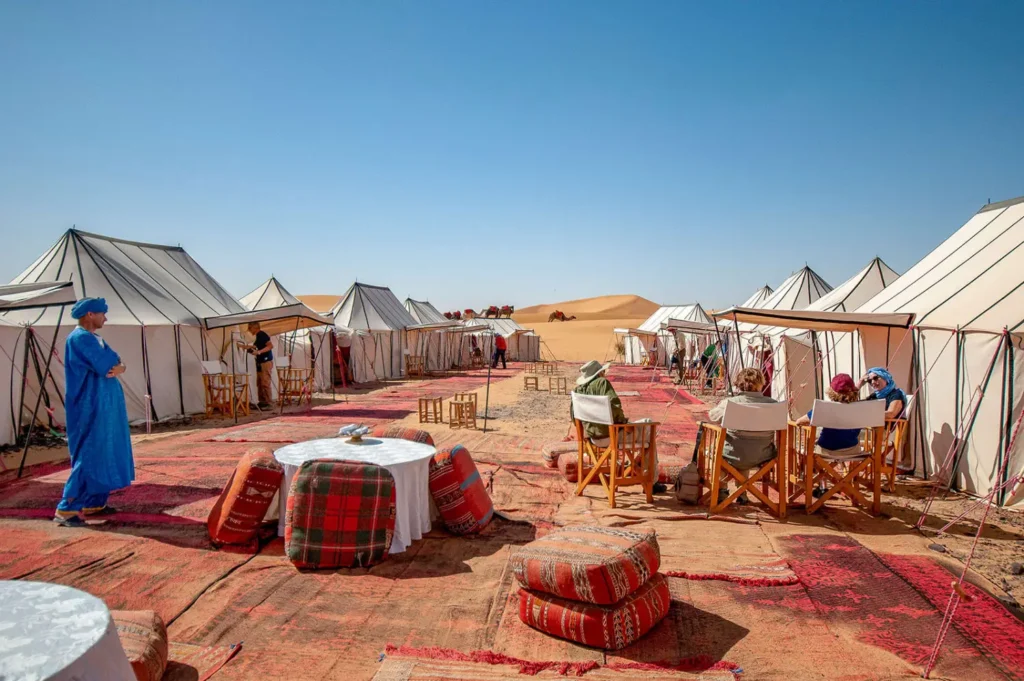
    • Sahara Desert: Experience the breathtaking sand dunes of Erg Chebbi, perfect for camel trekking and desert camping.
    • Cultural Experiences: Engage with the local Bedouin culture, including music and traditional meals.
    • Stargazing: The clear desert skies offer spectacular views of the stars at night.

Travel Tips

  • Transportation: Renting a car is advisable for flexibility. Alternatively, consider guided tours for a more structured experience.
  • Best Time to Visit: Spring (March to May) and autumn (September to November) are ideal for pleasant weather and outdoor activities.
  • Local Cuisine: Try regional dishes such as tagine, couscous, and traditional Berber bread.

Discovering Rural Heritage: Ouarzazate, Zagora, Tinghir

Discovering Rural Heritage:
Ouarzazate, Zagora, Tinghir

Exploring Ouarzazate, Zagora, and Tinghir provides a fascinating insight into Morocco’s rural heritage, characterized by stunning landscapes, rich history, and vibrant culture. Here’s a guide to each destination:

Itinerary

1. Ouarzazate
  • Distance from Marrakesh: Approximately 200 km (about 3.5 hours by car).
  • Highlights:
    • Aït Benhaddou: A UNESCO World Heritage site, this ancient ksar is famous for its stunning earthen clay architecture.
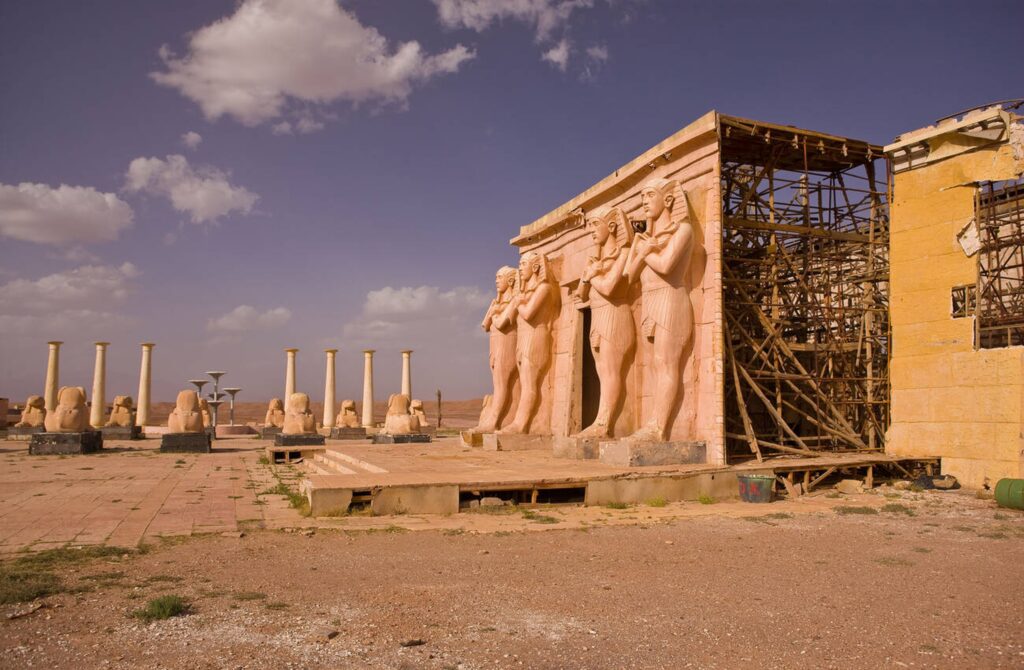
    • Film Studios: Known as the « Gateway to the Sahara, » Ouarzazate has been the backdrop for many films. Visit the Atlas Film Studios for a glimpse into movie-making.
    • Kasbahs: Explore the impressive Kasbah Taourirt, a symbol of the region’s history.
  • Distance from Ouarzazate: About 160 km (around 2 hours by car).
  • Highlights:
    • Sahara Gateway: Known as the gateway to the Sahara Desert, Zagora offers camel trekking experiences and desert excursions.
    • Tamegroute: Visit this nearby village known for its pottery and traditional craftsmanship.
    • Draa Valley: Explore the beautiful Draa Valley, famous for its palm groves and picturesque landscapes.
  • Distance from Zagora: Approximately 100 km (about 1.5 hours by car).
  • Highlights:
    • Todgha Gorge: Marvel at the stunning Todgha Gorge, known for its dramatic cliffs and hiking opportunities.
    • Berber Culture: Experience the local Berber traditions, including music, dance, and cuisine.
    • Palm Groves: Stroll through the lush palm groves that surround the town, offering a serene atmosphere.

Travel Tips

  • Transportation: Renting a car is recommended for flexibility, or consider joining a guided tour for a structured experience.
  • Best Time to Visit: Spring (March to May) and autumn (September to November) provide the best weather for outdoor activities.
  • Local Cuisine: Don’t miss traditional dishes such as tagines, couscous, and local pastries.

Conclusion

Traveling through Ouarzazate, Zagora, and Tinghir allows you to immerse yourself in the rich rural heritage of Morocco. Each destination offers unique experiences, showcasing the stunning landscapes, historical significance, and vibrant culture that define this beautiful region.

Discovering Rural Heritage: Chefchaouen

Discovering Rural Heritage: Chefchaouen

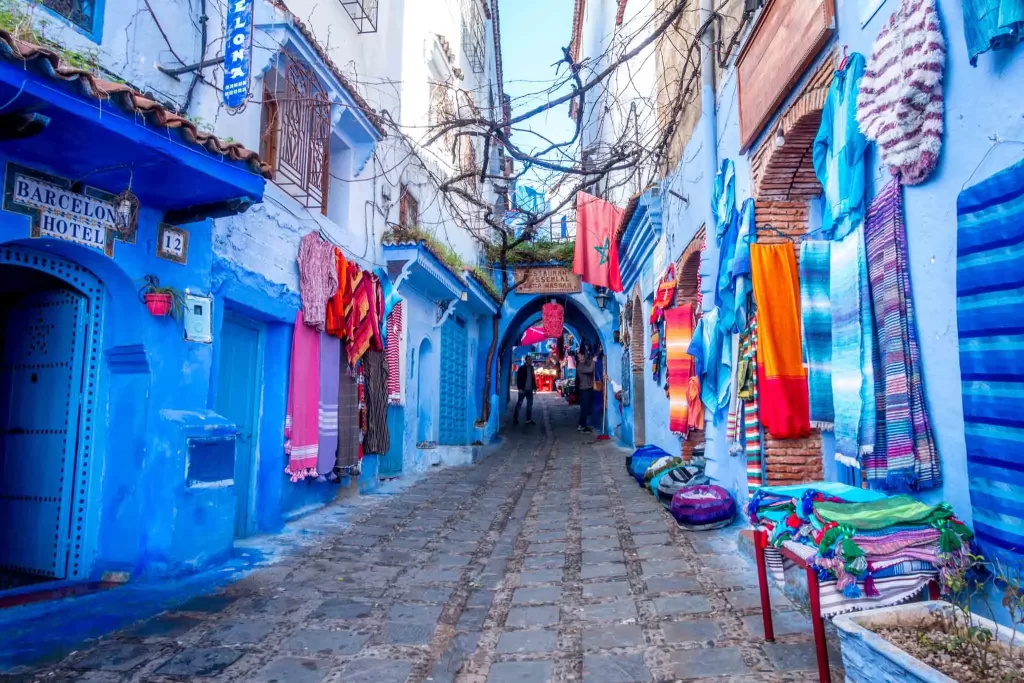
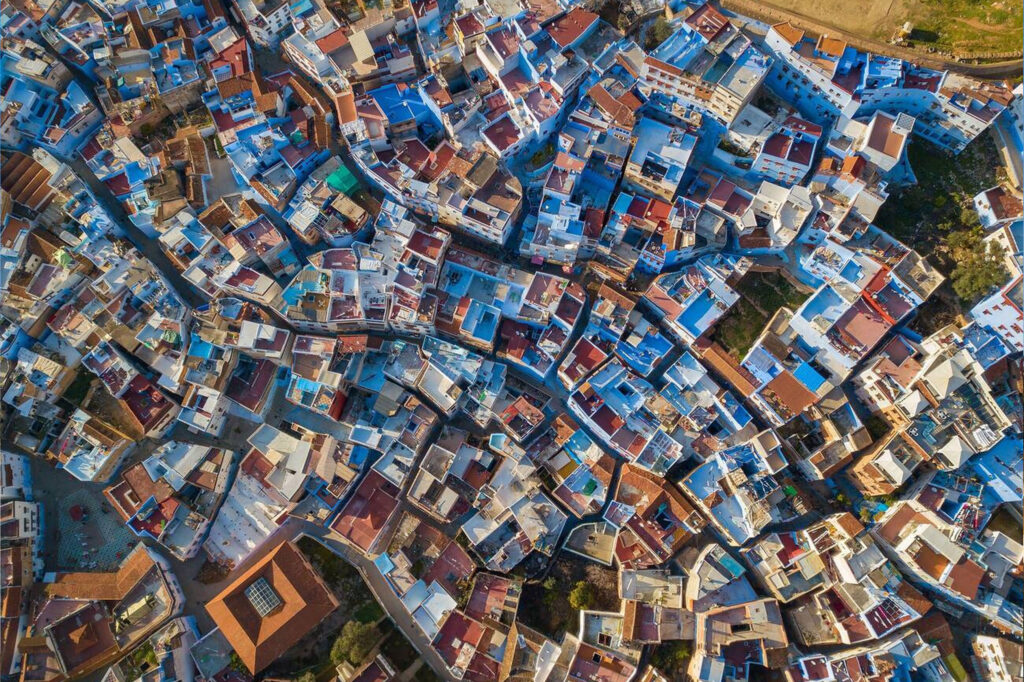
Chefchaouen, known for its stunning blue-washed buildings and mountainous backdrop, is a captivating destination that showcases Morocco’s rural heritage. Here’s a guide to exploring Chefchaouen from Fez:

Overview

  • Distance from Fez: Approximately 200 km (about 4 hours by car).
  • Travel Options: You can drive, take a bus, or join a guided tour for a more structured experience.

Itinerary

1. Blue Medina
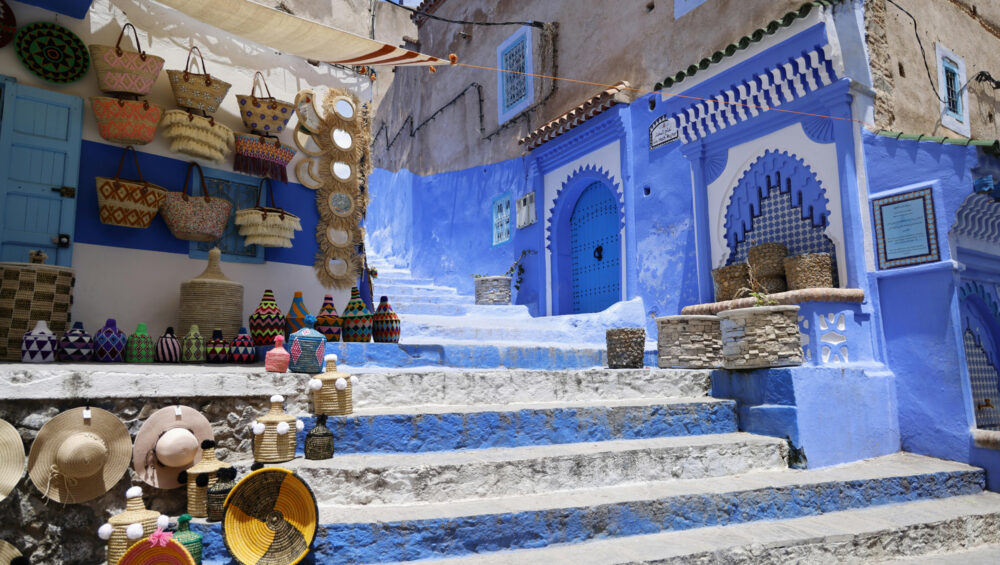
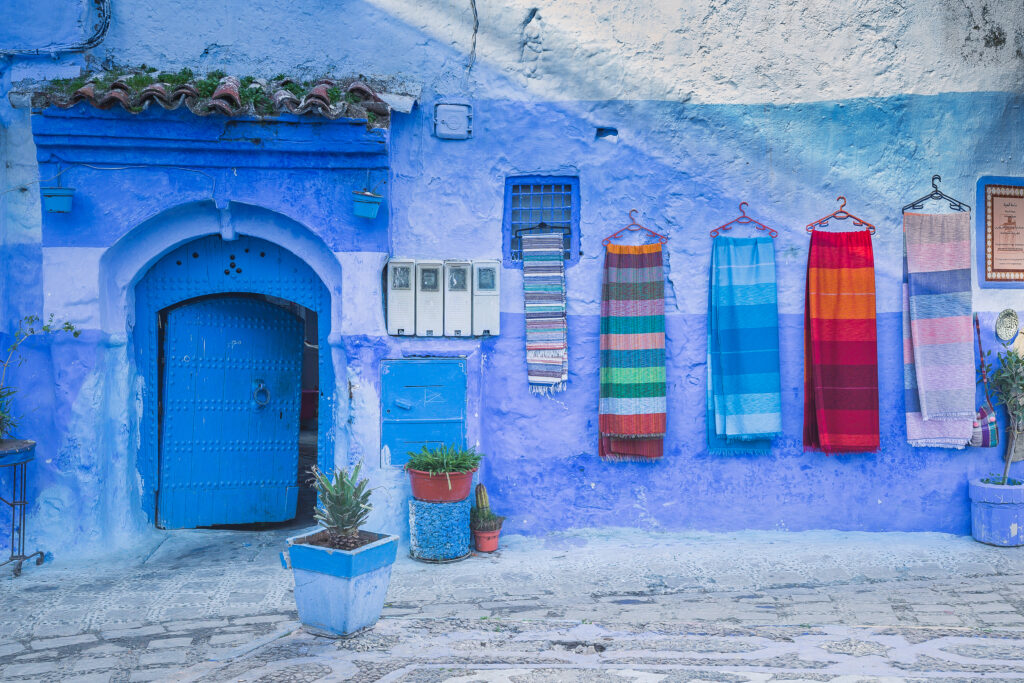
  • Strolling Through the Streets: Wander through the narrow, winding streets of the medina, adorned with vibrant blue walls and colorful flower pots.
  • Local Crafts: Discover artisan shops selling handmade textiles, pottery, and traditional crafts.
  • Cultural Insights: Visit the Kasbah, which houses a museum showcasing local history, ethnography, and art. The gardens within the Kasbah offer a peaceful retreat.
  • Natural Beauty: A short walk from the medina, this waterfall is a lovely spot to relax and enjoy nature. Local women often gather here to wash clothes, adding to the cultural experience.
  • Breathtaking Trails: The surrounding Rif Mountains offer various hiking trails with stunning views. Popular hikes include the trail to the Akchour Waterfalls and the hike to the summit of Jebel Bouhachem.
  • Traditional Dishes: Enjoy local specialties such as tagine, couscous, and mint tea in one of the many charming cafes and restaurants.

Travel Tips

  • Best Time to Visit: Spring (March to May) and autumn (September to November) offer pleasant weather for exploring.
  • Cultural Etiquette: Respect local customs and dress modestly, especially when visiting religious sites.

Conclusion

Chefchaouen is a must-visit destination that beautifully represents Morocco’s rural heritage. Its unique blue architecture, rich culture, and stunning natural surroundings make it a perfect getaway from Fez, offering an unforgettable experience.

Morocco the Realm of contrasts

Morocco the Realm of contrasts

Experience the magic of Morocco, where history, culture, and stunning landscapes come together in perfect harmony. Your journey begins in Tangier, a vibrant city where Africa meets Europe, before heading to Fes, a place that feels like stepping back in time with its maze-like medina, ancient madrassas, and bustling souks. As you travel through the breathtaking Middle Atlas Mountains, you’ll pass through Ifrane, a charming town often called “Little Switzerland” for its alpine feel. Then, in Marrakech, the city’s energy will sweep you away—from the lively Jemaa el-Fna Square, filled with storytellers and street performers, to the magnificent Bahia Palace and the historic Saadian Tombs. If you’re craving a touch of nature, an optional trip to the Ourika Valley will take you through the serene Atlas Mountains, where traditional Berber villages and cascading waterfalls await. Finally, wrap up your adventure in Casablanca, a city that blends modern elegance with coastal charm, leaving you with unforgettable memories of Morocco’s beauty and warmth.

Itinerary

Day 1: Arrival and Tangier City Tour

Upon arrival, meet and assist by our tour leader (depending on availability). City tour of Tangier, the gateway to Africa, then departure to Fes. Lunch en route.

Dinner and overnight at the hotel.

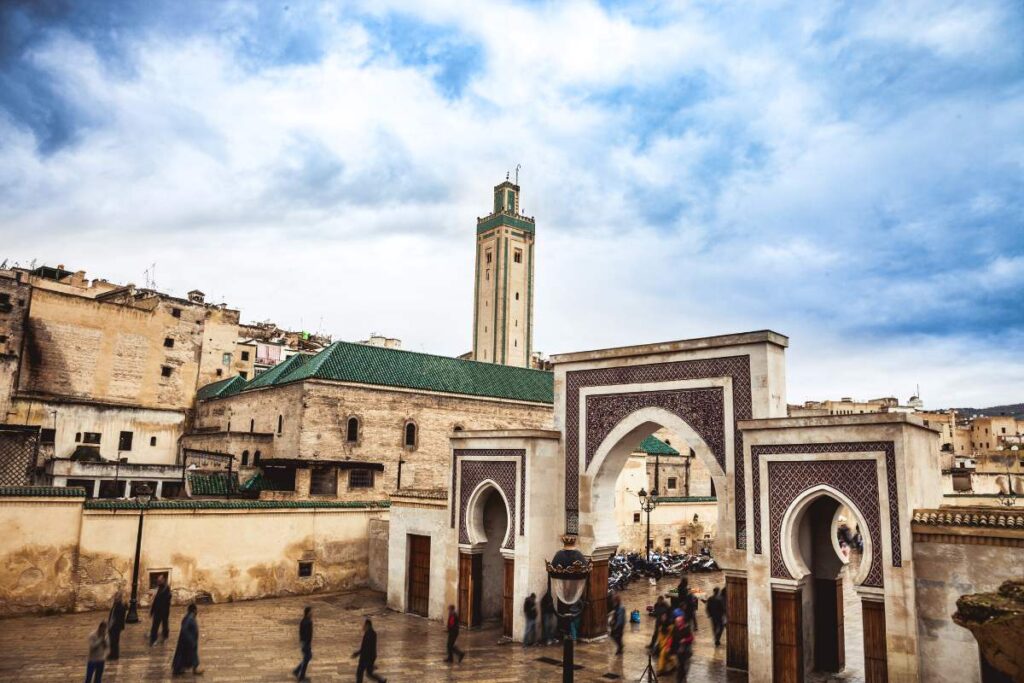
Founded at the end of the 8th century, Fes offers the best example of a well-preserved medieval medina. Wandering through its labyrinth of alleyways, where donkeys and mules remain the primary means of transport, you will discover madrasas, caravanserais, and souks, showcasing the Hispano-Moorish architectural style.

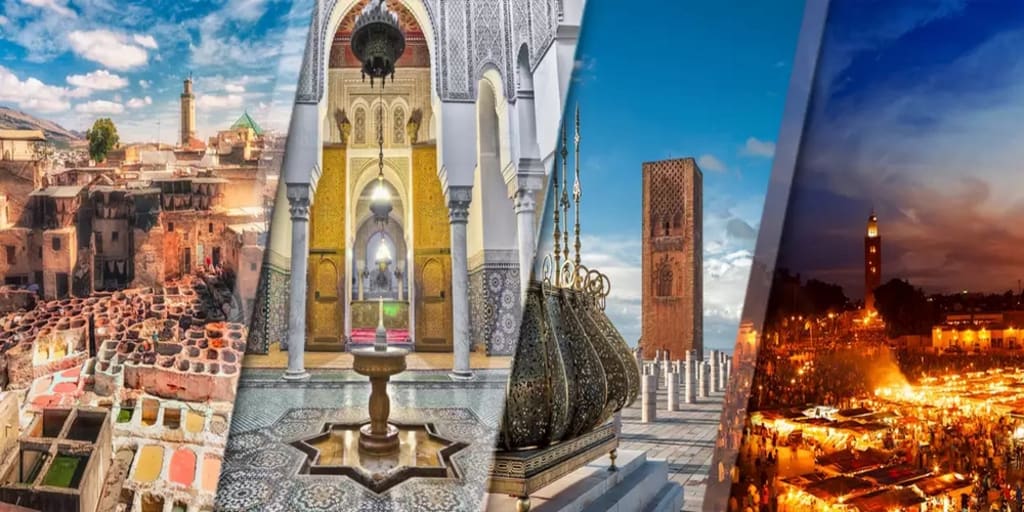
Visit the Bou Inania Madrasa, the Nejjarine Fondouk, the impressive tanneries, and the Mausoleum of Moulay Idriss II, the city’s founder. You will also get a glimpse of the Karaouine Mosque, where Pope Sylvester II studied Arabic numerals (especially the concept of zero) and where renowned scholars once taught, including the Jewish physician Maimonides, the mathematicians Al-Khwarizmi (algorithm) and Al-Jabr (algebra), as well as the sociologist Ibn Khaldun.

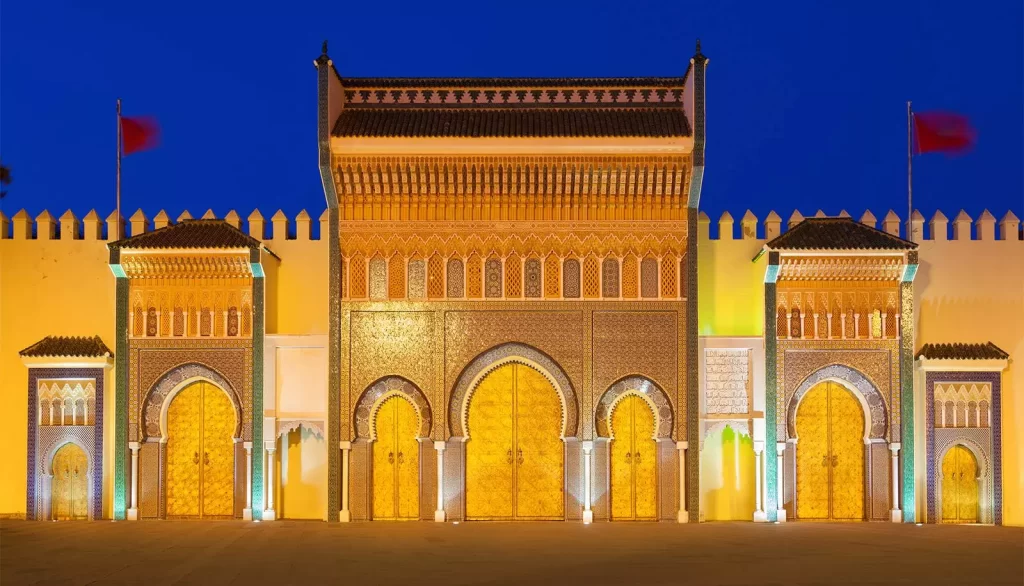
In the afternoon, enjoy a tour of the ramparts, including a drive along the fortified walls surrounding the old medina. Visit the Royal Palace’s grand gate, dating back to the 13th century, and end the day at a renowned ceramics factory.

Dinner and overnight at the hotel.

Depart for Marrakech, crossing the Middle Atlas Mountains. Stop at Ifrane, a charming ski resort known for its impressive cedar forests, Swiss-style chalets, and elegant mansions. Founded by the French in 1929, this picturesque town is home to stunning waterfalls and natural lakes.

Lunch in Beni Mellal before continuing the journey.

Dinner and overnight at the hotel.

For those enchanted by the Grand Bazaar of Istanbul or the Khan El Khalili market in Cairo, Marrakech offers an equally mesmerizing experience. Discover its vibrant souks, exquisite riads and palaces, lush gardens, and fascinating museums, as well as Jemaa El-Fna Square, the bustling folkloric heart of Morocco.

Today’s highlights include:

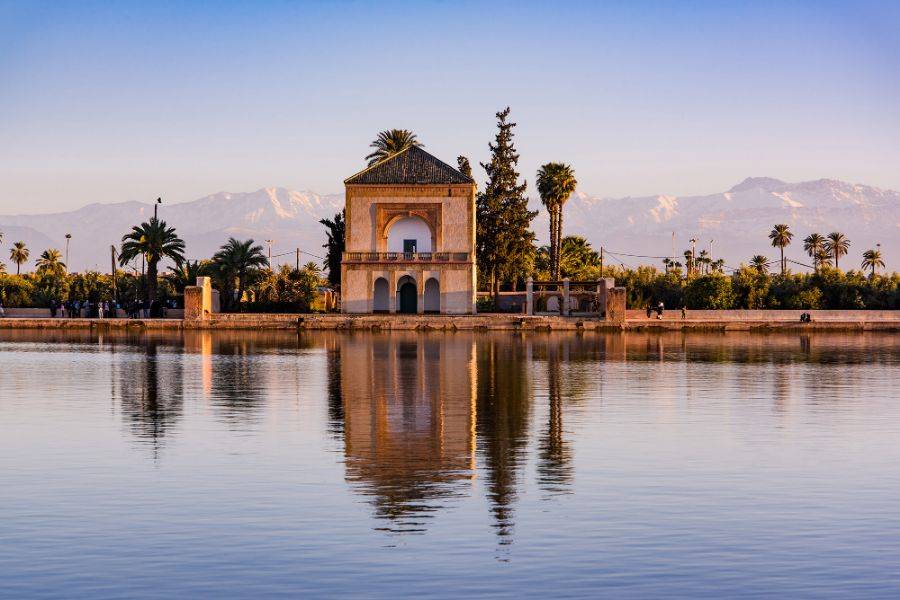
  • The Menara Gardens
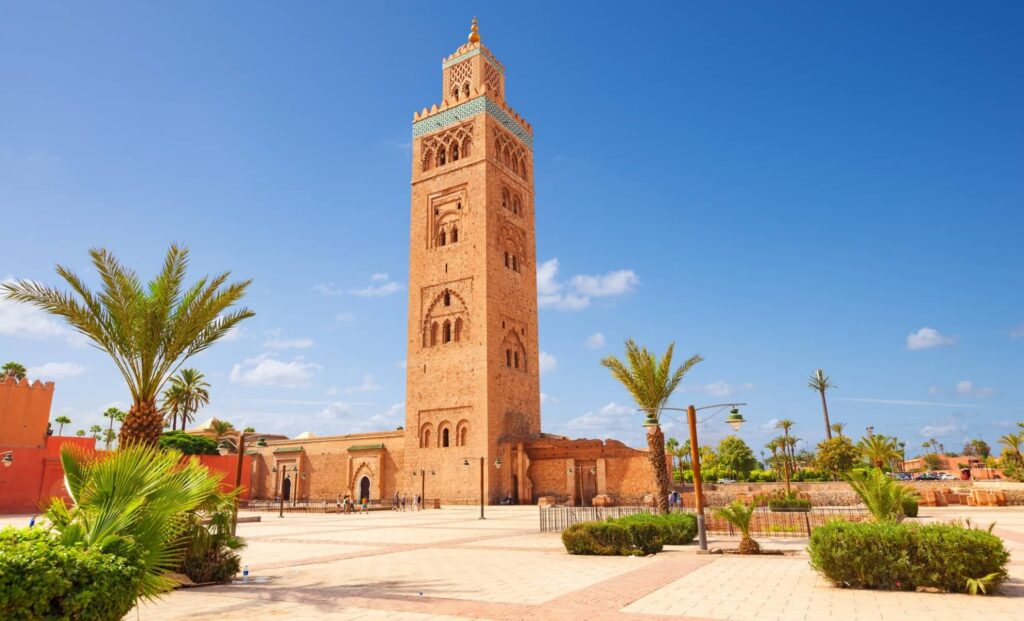
  • The Koutoubia Tower and Mosque (exterior visit)
  • The 19th-century Bahia Palace
  • The Saadian Tombs, rediscovered through aerial photography in the early 20th century

Dinner and overnight at the hotel.

Optional excursion to the Ourika Valley (€20 per person, to be paid by customers).

Lunch, then departure for Casablanca.

Dinner and overnight at the hotel.

End of our services.

Morocco – Imperial Cities

Morocco – Imperial Cities

Discover the timeless beauty of Morocco’s imperial cities, where history, culture, and breathtaking landscapes come together in a mesmerizing journey. Begin in Casablanca, the country’s modern heartbeat, before exploring the regal charm of Rabat, with its grand palaces and ancient kasbahs. Delve into the rich heritage of Meknes, home to monumental gates and historic ruins, before stepping back in time in Fes, the spiritual and artisanal capital, where the winding alleys of its UNESCO-listed medina reveal centuries-old madrassas, tanneries, and lively souks. Travel through the scenic Middle Atlas Mountains, stopping in Ifrane, a picturesque alpine town, before reaching Marrakech, a city bursting with life—where the vibrant Jemaa el-Fna Square, intricate palaces, lush gardens, and bustling souks captivate every visitor. With an optional free day to explore Marrakech at your own pace, this journey offers a perfect blend of history, culture, and adventure, ensuring an unforgettable Moroccan experience.
Itinerary

Day 1: Casablanca

Pick-up from Casablanca airport and transfer to the hotel. Overnight stay.

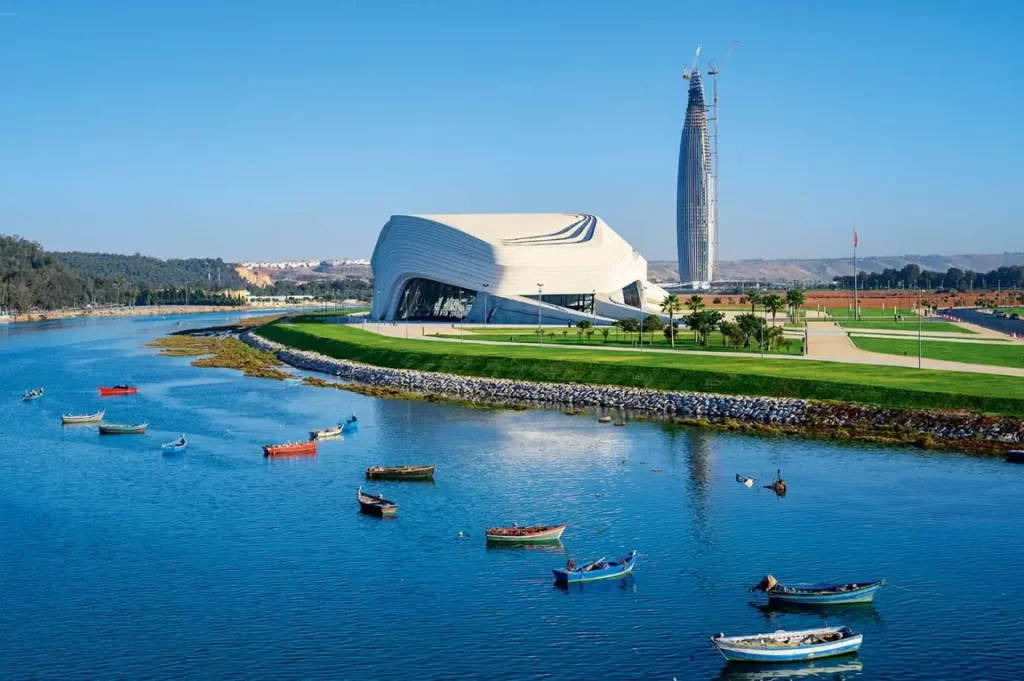
Breakfast. Panoramic tour of Casablanca, including the Central Market, Corniche, United Nations Square, and the Anfa district. Exterior visit of the Hassan II Mosque. Departure for Rabat, the capital city, with visits to the Hassan Tower, Mausoleum of Mohammed V and Hassan II, the Royal Palace (exterior), and the Kasbah of the Oudayas. Overnight stay at the hotel.

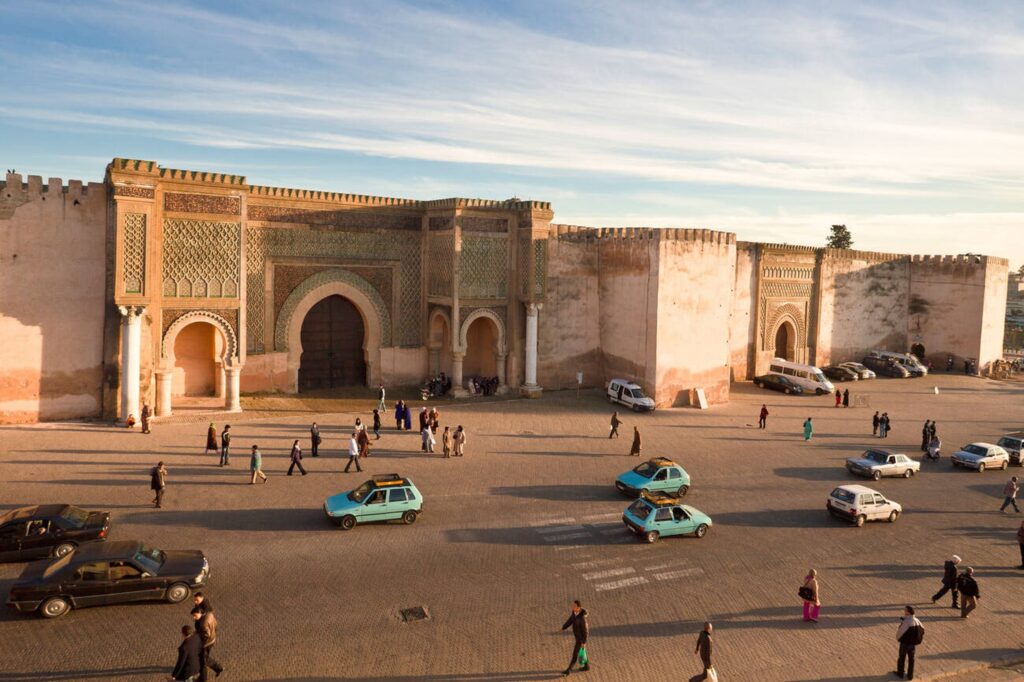
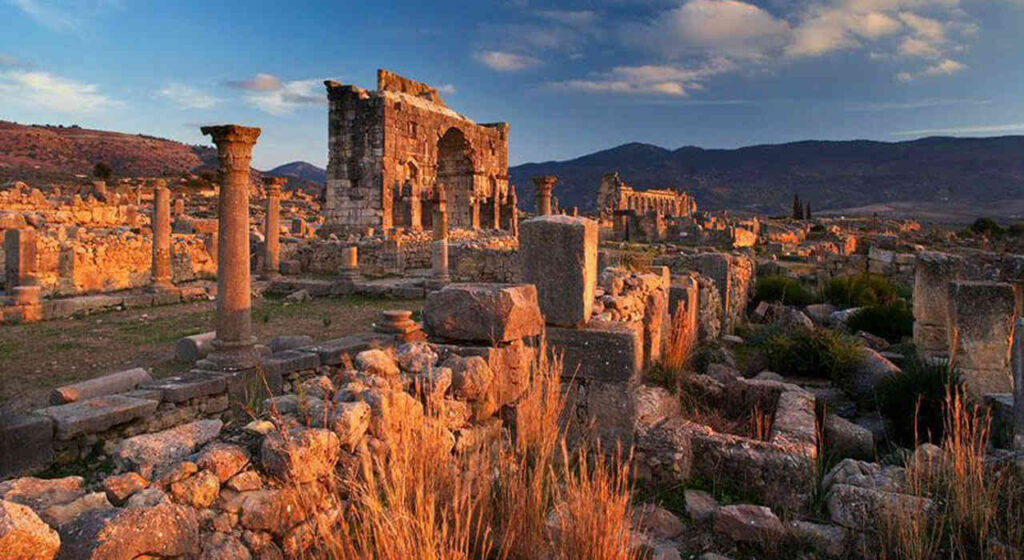
Breakfast. Departure for Meknes, visiting the Mausoleum of Moulay Ismail, the city’s founder, the Royal Granary, Bab El Khemis, Lahdim Square, and Bab Mansour, the famous « Gate of Victory. » In the afternoon, visit the Roman ruins of Volubilis, one of North Africa’s most important archaeological sites. Continue to Fes. Overnight stay at the hotel.

Breakfast. Visit Fes, the country’s spiritual, cultural, and artisanal capital. Explore the exterior of the Royal Palace, the Jewish Quarter (Mellah), and Fes El Bali (the ancient walled Medina). Visit a Madrasa (Islamic school), the exterior of the University of Al-Karaouine (the world’s first university, founded by a woman, Fatima al-Fihri), the Mausoleum of Moulay Idriss II, and the traditional artisan quarters of tanners, dyers, and carpenters. Stop at Nejjarine Square, home to a woodwork museum. Enjoy free time for shopping in the Kissaria, an old market full of shops selling slippers, gold, textiles, and more. In the afternoon, visit the pottery district and Borj Nord, offering a panoramic view of the city. Overnight stay at the hotel.

Breakfast. Early departure towards Ifrane, known as « Little Switzerland. » Cross the Middle Atlas Mountains, passing through Beni Mellal. Arrive in Marrakech in the late afternoon. Overnight stay at the hotel.

Breakfast. Visit the city’s highlights, including the Koutoubia Minaret, the Bahia Palace, and the Menara Gardens. In the afternoon, explore the souks (markets), ending at the famous Jemaa el-Fna Square, a UNESCO-listed « living monument » filled with performers, food stalls, and local culture. Overnight stay at the hotel.

Breakfast. Free day to explore Marrakech at your own pace—shopping, sightseeing, or simply soaking in the city’s vibrant atmosphere. Overnight stay at the hotel.

Breakfast. Transfer to the airport.

Let me know if you need any refinements! 😊

Morocco of Contrasts

Morocco of Contrasts

Embark on an unforgettable journey through Morocco’s imperial cities and stunning landscapes, from the vibrant streets of Casablanca and Rabat to the historic medina of Fes, the vast sands of the Sahara Desert in Merzouga, and the scenic beauty of Ouarzazate. Explore ancient kasbahs, towering mountain passes, and the bustling souks of Marrakech, all while immersing yourself in Morocco’s rich history, culture, and natural wonders. This tour offers a perfect blend of adventure, tradition, and luxury, making it a truly unique Moroccan experience.
Itinerary

Day 1: Casablanca

Arrival in Casablanca and transfer to the hotel. Dinner and overnight stay.

Breakfast. City tour of Casablanca, including the Central Market, Seafront Promenade, Anfa District, Mohammed V Square, and exterior visit to the Hassan II Mosque. Departure towards Rabat, with a panoramic city tour, including the Mausoleum of Mohammed V and Hassan II, the Royal Palace (exterior), and the Kasbah of the Oudayas. Continue to Fes for overnight accommodation.

Breakfast. Full-day tour of Fes, the spiritual, cultural, and artisanal capital of Morocco. Visit the Royal Palace (exterior) and the Jewish Quarter (Mellah). Explore Fes El Bali, the old walled city, and visit a madrasa (Islamic school) where the Quran was taught. See the exterior of the University of Al-Karaouine, the world’s oldest university founded by Fatima. Visit the Mausoleum of Moulay Idriss II, the tannery quarter, the dyers’ district, and the carpenters’ district. Explore Nejjarine Square, known for its wood museum. Free time for shopping at the Kissaria, an old commercial center filled with shops selling babouches, gold, fabrics, and more. In the afternoon, visit the pottery district and Borj Nord for a panoramic view of the city. Overnight stay in Fes.

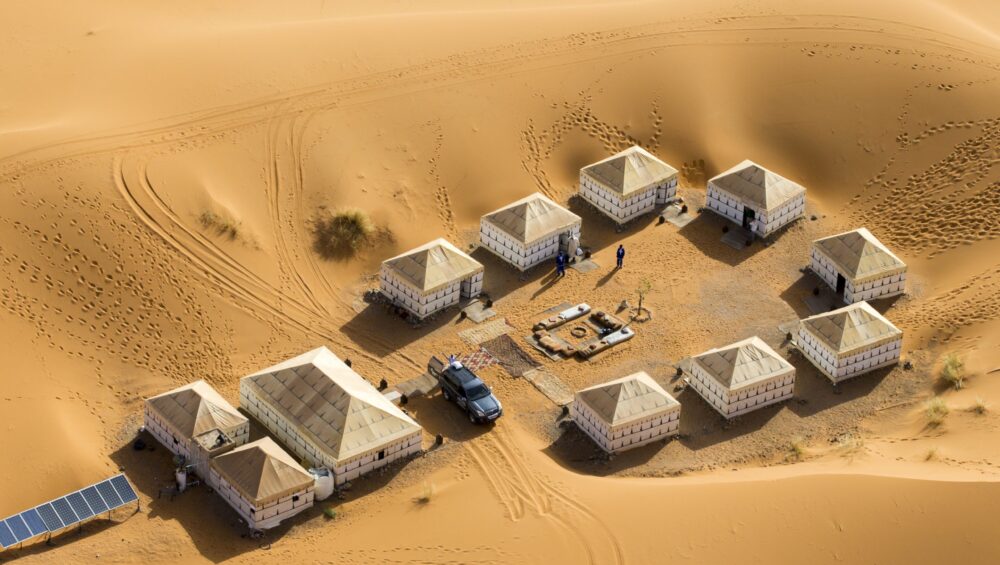
Breakfast. If you’re looking for a unique experience, we recommend spending the night in a Berber camp at the foot of the towering dunes of the Sahara Desert. Dinner and overnight stay in traditional Berber tents (Jaima). The following morning, optionally take a camel ride to enjoy the breathtaking desert sunrise. Stay in a luxury desert camp near the dunes.

Breakfast. Depart for Ouarzazate, with a stop at the Todra Gorge, a narrow canyon with 300-meter-high cliffs. Stop at Tinghir, where you can visit the artisanal center or explore the small town. Continue to Skoura, following the Kasbah route through Thousand Kasbahs and the Dades Valley. Continue to El Kelaâ M’Gouna, the “City of Roses,” where you can purchase local rose fragrances and beauty products. Overnight stay in Ouarzazate.

Breakfast. Depart for Marrakech, starting with a tour of Ouarzazate, often called the Hollywood of Morocco due to its use in many international film productions. Visit the famous Kasbah of Taourirt, one of Morocco’s best-preserved kasbahs. Continue to Ait Ben Haddou, a UNESCO World Heritage site, known for its well-preserved kasbahs and having been the backdrop for films like « Lawrence of Arabia ». Cross the High Atlas Mountains via the impressive Tichka Pass (2260 meters). Continue to Marrakech for overnight stay.

Breakfast. Spend the whole day exploring Marrakech, founded by the Almoravids in the 11th century. It sits in a lush oasis at the foot of the snow-capped Atlas Mountains. Visit the Menara Gardens, one of the oldest gardens in Marrakech, featuring a large olive grove and numerous cypress trees. Visit the Koutoubia Mosque and its minaret, one of the most spectacular monuments in the city. Explore the Bahia Palace, a masterpiece of Moroccan architecture built in the 19th century. Visit Jemaa El-Fna Square, a lively market and public square in the medina filled with snake charmers, street performers, and food vendors. Overnight stay in Marrakech.

Unveiling the Majesty: Travel Ideas for Morocco’s Imperial Cities

Unveiling the Majesty: Travel Ideas for Morocco’s Imperial Cities

Morocco, a land of vibrant colors, intoxicating aromas, and captivating history, beckons travelers with its rich tapestry of culture and landscapes. Among its many treasures, the Imperial Cities stand out as jewels, each telling a unique story of dynasties, artistry, and Moroccan heritage. These four cities – Marrakech, Fes, Meknes, and Rabat – have at different times served as capitals of Morocco, leaving behind a legacy of stunning architecture, bustling medinas, and a palpable sense of grandeur. Embark on a journey through these historical hubs to experience the true essence of Morocco.

1. Marrakech: The Red City of Enchantment

Marrakech, often the first stop for visitors, is a sensory explosion. Its vibrant energy is palpable from the moment you arrive.

Must-Do:

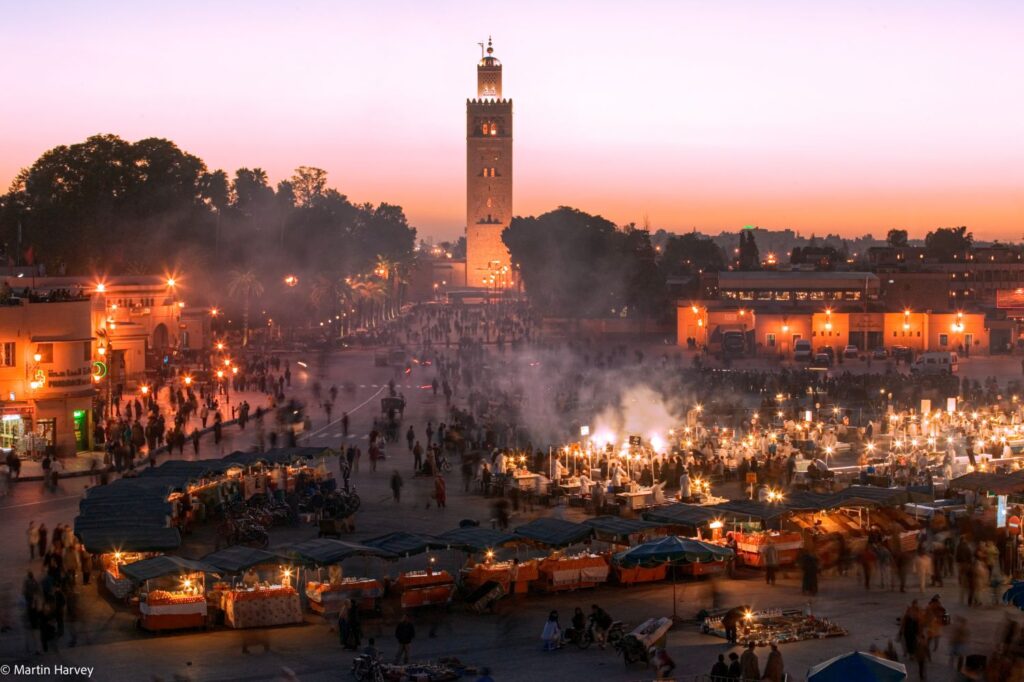
  • Djemaa el-Fna: This iconic square is the heart of Marrakech. By day, witness snake charmers, storytellers, and henna artists. As dusk descends, it transforms into a bustling open-air food market and entertainment hub. Don’t miss trying fresh orange juice and savoring street food delicacies.
  • Koutoubia Mosque: Admire the towering minaret of this 12th-century mosque, a masterpiece of Almohad architecture. While non-Muslims cannot enter, the exterior is breathtaking, especially at sunset.
  • Bahia Palace: Explore the opulent Bahia Palace, a 19th-century masterpiece showcasing intricate mosaics, stunning courtyards, and lush gardens. It offers a glimpse into the lavish lifestyle of Moroccan royalty.
  • Saadian Tombs: Discover the Saadian Tombs, hidden for centuries and rediscovered in 1917. Marvel at the exquisitely decorated mausoleums of Saadian sultans and their families, a testament to Moroccan craftsmanship.
  • Jardin Majorelle: Escape the city bustle in the serene Jardin Majorelle, a botanical garden created by Yves Saint Laurent and Pierre Bergé. Wander through its vibrant blue pathways, exotic plants, and tranquil water features.
  • Souks (Markets): Get lost in the labyrinthine souks of Marrakech’s medina. Haggle for spices, leather goods, carpets, lanterns, and argan oil. Each souk specializes in different crafts, offering a treasure trove of Moroccan artistry.
  • Riad Experience: Stay in a traditional riad, a guesthouse with an interior courtyard or garden. These offer a peaceful oasis within the bustling medina and often feature beautiful Moroccan décor and hospitality.
  • Hammam (Traditional Bath): Indulge in a traditional hammam experience. Choose from public hammams for a local experience or luxurious spa hammams for pampering.

Beyond the Medina:

  • Palmeraie: Take a camel ride or quad bike tour through the Palmeraie, a vast palm grove on the outskirts of Marrakech.
  • Atlas Mountains Day Trip: Escape to the breathtaking Atlas Mountains. Visit Berber villages, hike to waterfalls, and enjoy stunning mountain scenery. Consider a trip to the Ourika Valley or Imlil.
  • Agafay Desert: Experience a “desert” adventure closer to Marrakech in the Agafay Desert, a rocky desert landscape. Enjoy camel rides, desert camps, and stargazing.

2. Fes: The Cultural and Spiritual Heart

Fes, the oldest of the Imperial Cities, is a UNESCO World Heritage Site and considered the cultural and spiritual heart of Morocco. Its ancient medina, Fes el Bali, is a living museum.

Must-Do:

  • Fes el Bali (Medina): Explore the labyrinthine alleys of Fes el Bali, the largest car-free urban area in the world. Get intentionally lost and discover hidden courtyards, artisan workshops, and historical sites. Hire a local guide to navigate and learn about the medina’s history.
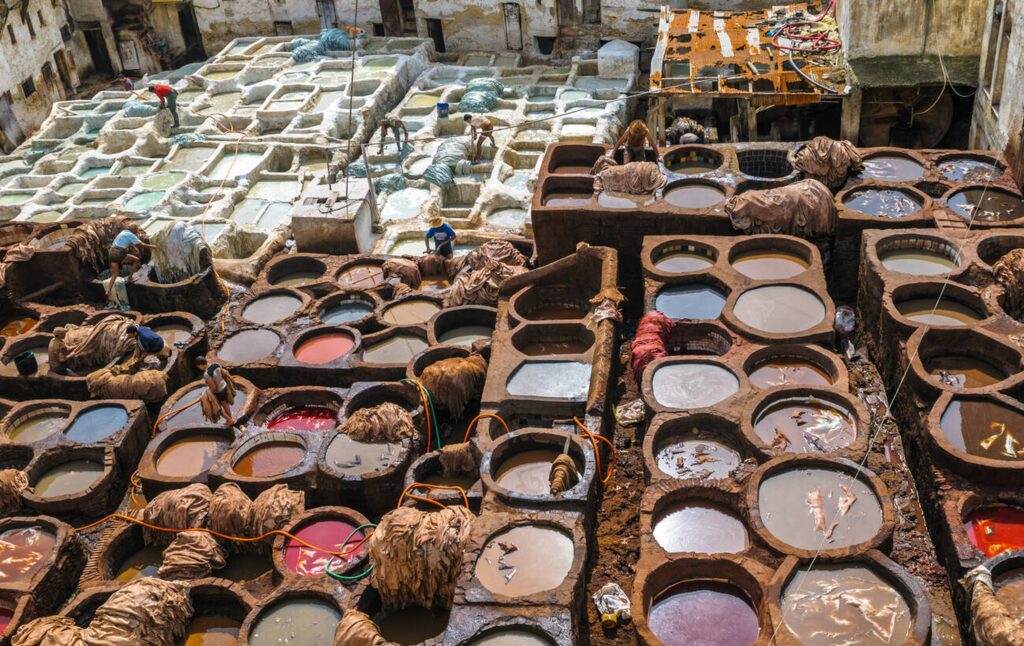
  • Chouara Tannery: Witness the iconic Chouara Tannery, a traditional leather tannery dating back to the 11th century. Observe the ancient process of tanning hides in colorful dye pits (be prepared for the strong smell!).
  • Bou Inania Madrasa & Al Attarine Madrasa: Visit these stunning 14th-century madrasas (Islamic schools), showcasing exquisite Marinid architecture with intricate tilework, carved cedarwood, and serene courtyards.
  • Kairaouine Mosque and University: While non-Muslims cannot enter the Kairaouine Mosque, admire it from the outside. It houses the University of Al Quaraouiyine, considered the oldest continuously operating university in the world.
  • Royal Palace Gates: Admire the magnificent golden gates of the Royal Palace, a symbol of Fes’s imperial past. While you cannot enter, the gates themselves are a sight to behold.
  • Merenid Tombs: Hike up to the Merenid Tombs, located on a hill overlooking Fes el Bali. Enjoy panoramic views of the medina, especially at sunset.
  • Artisan Workshops: Fes is renowned for its craftsmanship. Visit workshops specializing in pottery, ceramics, leatherwork, metalwork, and zellige tiles. Witness artisans at work and purchase unique souvenirs directly from the source.
  • Cooking Class: Immerse yourself in Moroccan cuisine by taking a cooking class. Learn to prepare traditional dishes like tagine, couscous, and pastilla.

Beyond the Medina:

  • Ville Nouvelle (New City): Explore the Ville Nouvelle, the modern part of Fes, built during the French Protectorate. It offers a contrast to the ancient medina with wider streets, cafes, and shops.
  • Volubilis & Meknes Day Trip: Consider a day trip to Volubilis, well-preserved Roman ruins, and Meknes, another Imperial City (see below).

3. Meknes: The Versailles of Morocco

Meknes, often overlooked in favor of Marrakech and Fes, is a hidden gem. Sultane Moulay Ismail transformed it into a magnificent imperial city in the 17th century, earning it the nickname “Versailles of Morocco.”

Must-Do:

  • Bab Mansour: Enter the imperial city through Bab Mansour, one of the most impressive and ornate gates in Morocco. Its grandeur reflects Moulay Ismail’s ambition.
  • Mausoleum of Moulay Ismail: Visit the Mausoleum of Moulay Ismail, a sacred and beautifully decorated complex where the sultan is buried. It’s one of the few religious sites in Morocco open to non-Muslims.
  • Heri es-Souani: Explore the ruins of Heri es-Souani, Moulay Ismail’s massive granaries and stables, designed to house his vast army and supplies. The scale is impressive.
  • Medina of Meknes: Wander through the smaller and more relaxed medina of Meknes compared to Fes or Marrakech. Discover its souks, mosques, and traditional architecture.
  • Dar Jamai Museum: Visit the Dar Jamai Museum, housed in a beautiful 19th-century palace. It showcases Moroccan arts and crafts, including ceramics, carpets, and jewelry.

Beyond Meknes:

  • Volubilis: Take a short trip to Volubilis, the UNESCO World Heritage Roman ruins located near Meknes. Explore the well-preserved mosaics, temples, and baths of this ancient Roman city.
  • Moulay Idriss Zerhoun: Visit Moulay Idriss Zerhoun, a holy town perched on a hilltop near Volubilis. It’s the burial place of Moulay Idriss I, the founder of the Idrisid dynasty. Non-Muslims were historically not allowed to stay overnight, but this has become more relaxed.

4. Rabat: The Modern Capital with Imperial Roots

Rabat, the current capital of Morocco, offers a blend of imperial history and modern city life. It’s located on the Atlantic coast and boasts historical sites alongside contemporary attractions.

Must-Do:

  • Hassan Tower: Visit the Hassan Tower, an unfinished minaret of a 12th-century mosque. Explore the surrounding ruins and the Mausoleum of Mohammed V, a modern masterpiece of Moroccan architecture.
  • Chellah Necropolis: Explore the Chellah Necropolis, a fascinating site with Roman and Islamic ruins, including tombs, gardens, and storks nesting on the ancient structures.
  • Kasbah of the Udayas: Wander through the picturesque Kasbah of the Udayas, a fortified citadel overlooking the Atlantic Ocean. Explore its blue and white streets, Andalusian gardens, and enjoy ocean views.
  • Royal Palace of Rabat: Admire the Royal Palace of Rabat (Mechouar Palace), the official residence of the King of Morocco. While not open to the public, you can view it from outside.
  • Medina of Rabat: Explore the medina of Rabat, smaller and more manageable than Fes or Marrakech. Discover its souks and traditional architecture.
  • Museums: Rabat boasts several excellent museums, including the National Archaeological Museum and the Mohammed VI Museum of Modern and Contemporary Art.
  • Beach: Enjoy the Atlantic coast at Rabat’s beaches. Temara Beach and Plage des Nations are popular options.

Beyond Rabat:

  • Sale: Visit Sale, Rabat’s twin city across the Bou Regreg River. Explore its medina and the Mausoleum of Sidi Bou Abid El Bukhari.

Planning Your Imperial Cities Journey:

  • Duration: Allow at least 7-10 days to comfortably explore all four Imperial Cities. You can spend 2-3 days in Marrakech and Fes, and 1-2 days each in Meknes and Rabat.
  • Transportation: Travel between cities by train or comfortable tourist buses. Within cities, taxis, petit taxis (smaller taxis), and walking are common. In medinas, walking is essential.
  • Accommodation: Choose from riads in the medinas for an authentic experience, or modern hotels in the Ville Nouvelle or new city areas.
  • Best Time to Visit: Spring (March-May) and Autumn (September-November) offer pleasant weather. Summer can be very hot, especially inland.
  • Dress Code: Dress respectfully, especially when visiting religious sites. Cover shoulders and knees.
  • Language: Arabic and Berber are the official languages. French is widely spoken, especially in tourist areas. English is becoming more common, but knowing some basic French or Arabic phrases is helpful.
  • Haggling: Haggling is expected in souks and markets. Be prepared to negotiate prices.

The Imperial Cities of Morocco offer a captivating journey through history, culture, and vibrant Moroccan life. Each city has its own unique character and charm, promising an unforgettable travel experience. Prepare to be enchanted by the majesty of Morocco!

Embark on a Grand Moroccan Adventure: Unforgettable Road Trips and Itineraries

Embark on a Grand Moroccan Adventure: Unforgettable Road Trips and Itineraries

Morocco, a land where ancient traditions meet vibrant modernity, offers far more than just its famed Imperial Cities. For the intrepid traveler seeking a truly immersive experience, a Grand Tour of Morocco unveils a breathtaking tapestry of landscapes, cultures, and adventures. From the soaring peaks of the Atlas Mountains to the sun-kissed shores of the Atlantic and the mesmerizing dunes of the Sahara, Morocco beckons with a diversity that will captivate your senses and leave you yearning for more.

This isn’t just about ticking off landmarks; it’s about crafting a journey that resonates with your soul. Let’s explore some incredible ideas to inspire your grand Moroccan adventure:

1. The Classic Imperial Circuit & Beyond:

While the Imperial Cities (Marrakech, Fes, Meknes, Rabat) are essential, a grand tour expands on this foundation.

  • Focus: History, Culture, Urban Exploration, Architecture.
  • Itinerary Ideas:
    • Extended Imperial Cities: Dedicate more time to each city, delving deeper into hidden corners, artisan workshops, and local life. Consider cooking classes, hammam experiences, and guided tours focusing on specific interests (e.g., architecture, food).
    • Volubilis & Moulay Idriss Zerhoun: Extend your Meknes visit to include the magnificent Roman ruins of Volubilis and the holy town of Moulay Idriss Zerhoun, offering historical and spiritual depth.
    • Chefchaouen (The Blue Pearl): Venture into the Rif Mountains to experience the enchanting blue-washed town of Chefchaouen. It’s a visual delight and offers a different cultural flavor.
    • Casablanca: Include Casablanca, Morocco’s modern economic hub. Explore the Hassan II Mosque, a stunning architectural marvel, and experience the city’s cosmopolitan vibe.

2. Coastal Charms: Atlantic & Mediterranean Delights:

Morocco boasts a stunning coastline, offering diverse experiences from surfing hotspots to charming fishing villages.

  • Focus: Beaches, Coastal Scenery, Seafood, Relaxation, Water Sports.
  • Itinerary Ideas:
    • Atlantic Coast Road Trip: Start in Tangier or Rabat and drive south along the Atlantic coast.
      • Asilah: A charming coastal town with Portuguese ramparts and artistic flair.
      • Essaouira: A laid-back, windy city famous for its medina, seafood, and windsurfing.
      • Sidi Ifni: A former Spanish enclave with unique architecture and dramatic beaches.
      • Mirleft: A quieter coastal village with beautiful beaches and surf spots.
      • Taghazout: Morocco’s surfing mecca, known for its waves and bohemian atmosphere.
    • Mediterranean Coast Exploration: Head north from Chefchaouen to explore the Mediterranean coast.
      • Al Hoceima: A coastal city nestled in a bay, offering beaches and the nearby Al Hoceima National Park for hiking.
      • Saidia: A modern resort town with long sandy beaches, popular with Moroccan families.
      • Nador: A bustling port city near the Spanish enclave of Melilla.

3. Mountain Majesty: Atlas & Rif Adventures:

Escape the cities and immerse yourself in Morocco’s breathtaking mountain ranges.

  • Focus: Hiking, Trekking, Berber Culture, Mountain Scenery, Nature.
  • Itinerary Ideas:
    • High Atlas Trekking: Embark on a multi-day trek in the High Atlas Mountains.
      • Toubkal National Park: Hike to the summit of Mount Toubkal, North Africa’s highest peak.
      • Ourika Valley & Imlil: Explore Berber villages, hike to waterfalls, and enjoy stunning mountain views.
      • Rose Valley & Dades Valley: Discover dramatic gorges, kasbahs, and the famous Valley of Roses.
    • Middle Atlas Exploration: Discover the cedar forests, lakes, and Berber villages of the Middle Atlas.
      • Ifrane: Known as “Little Switzerland,” a charming town with European-style architecture.
      • Azrou: A Berber town famous for its cedar forests and Barbary macaques.
      • Bin el Ouidane Lake: A beautiful lake offering water activities and scenic views.
    • Rif Mountains Hiking: Explore the Rif Mountains, known for their rugged beauty and cannabis farms (be respectful and discreet).
      • Chefchaouen Hiking: Hike in the surrounding Rif mountains, enjoying views of the blue city and natural landscapes.
      • Talassemtane National Park: Discover canyons, waterfalls, and diverse flora and fauna.

4. Desert Dreams: Sahara Immersion:

No grand tour of Morocco is complete without experiencing the magic of the Sahara Desert.

  • Focus: Desert Landscapes, Camel Trekking, Berber Culture, Stargazing, Adventure.
  • Itinerary Ideas:
    • Merzouga Dunes (Erg Chebbi): The classic Sahara experience.
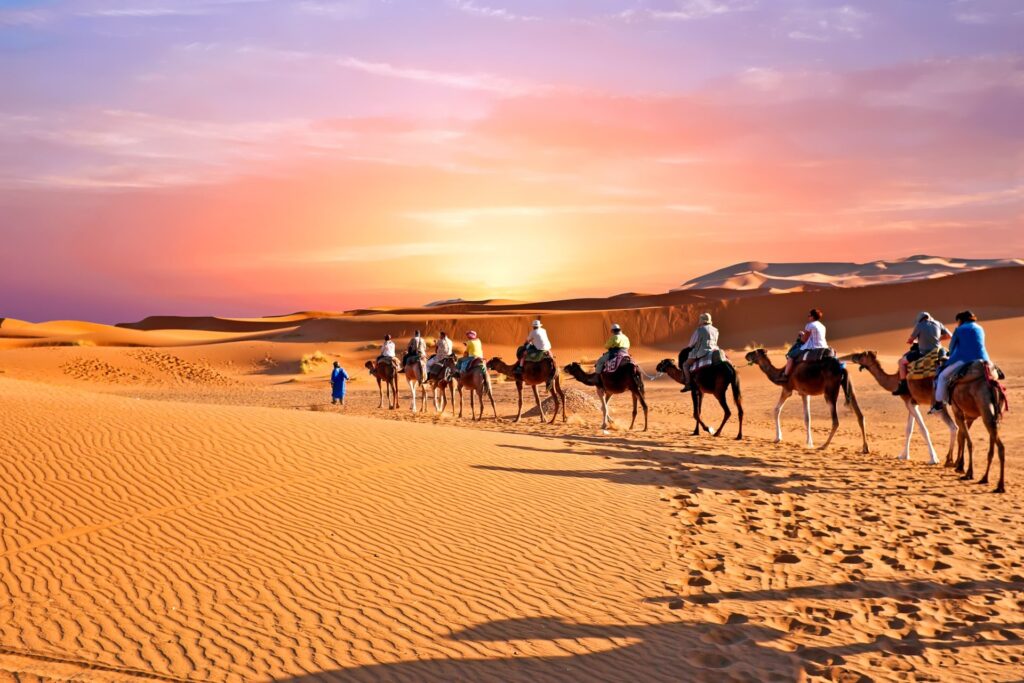
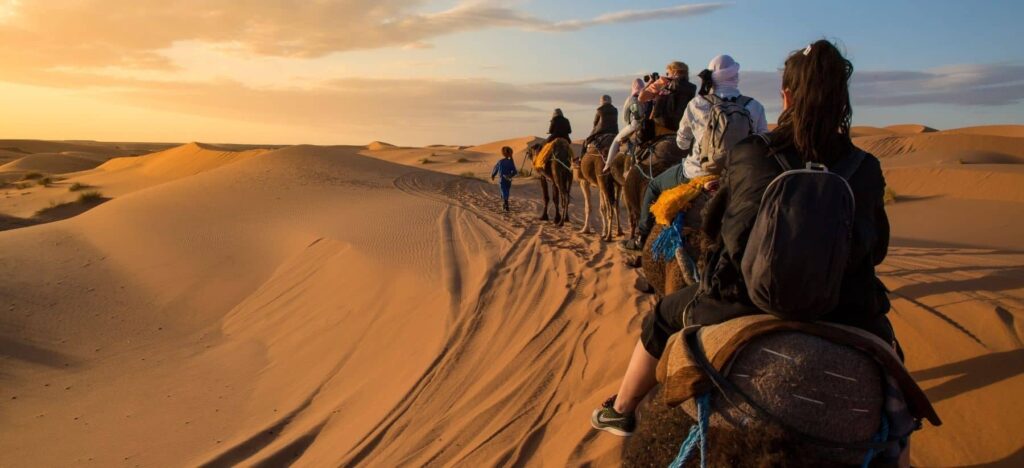
      • Camel Trekking: Ride camels into the Erg Chebbi dunes at sunset or sunrise.
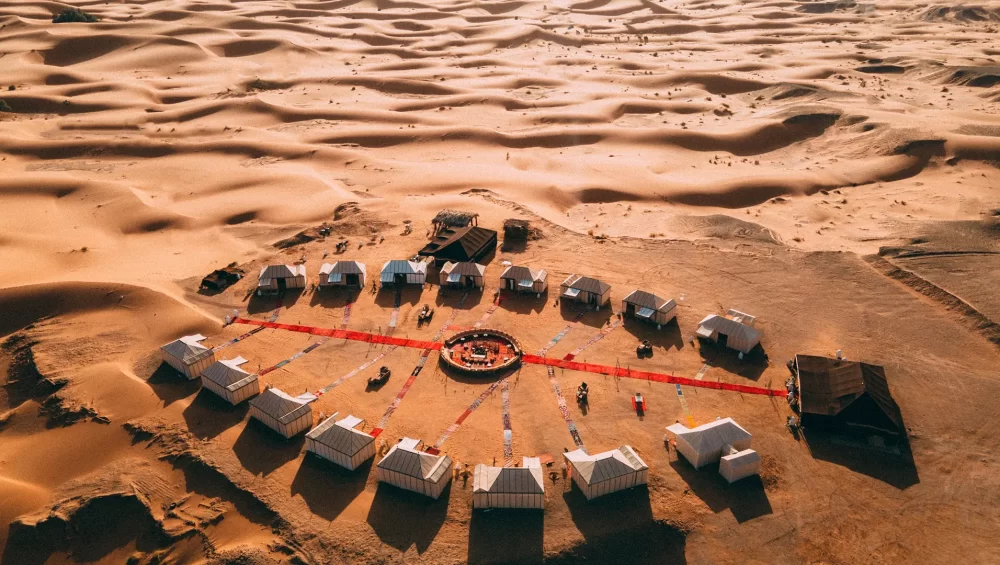
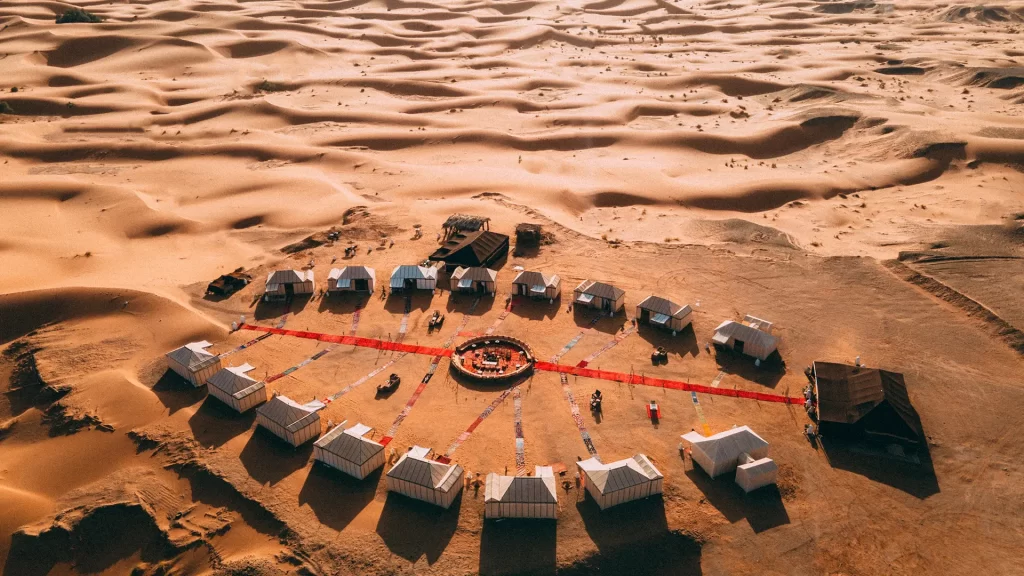
      • Desert Camp: Spend a night (or more) in a traditional Berber desert camp, enjoying Berber music, food, and stargazing.
      • Sandboarding & Quad Biking: For the adventurous, try sandboarding or quad biking in the dunes.
    • Zagora Dunes (Erg Chigaga): A more remote and less crowded Sahara experience.
      • 4×4 Adventure: Reach Erg Chigaga by 4×4 vehicle, traversing rocky desert landscapes.
      • Authentic Berber Camps: Experience more rustic and authentic Berber camps.
      • Desert Hiking: Explore the vastness of Erg Chigaga on foot.
    • M’Hamid El Ghizlane: Another gateway to the Sahara, offering desert treks and experiences.

5. Southern Morocco: Oases, Kasbahs & Valleys:

Venture south to discover the dramatic landscapes, ancient kasbahs, and lush oases of southern Morocco.

  • Focus: Oases, Kasbahs, Valleys, Berber Culture, Dramatic Landscapes, Photography.
  • Itinerary Ideas:
    • Route of 1000 Kasbahs: Drive along the “Route of 1000 Kasbahs,” exploring ancient fortified villages and stunning valleys.
      • Ouarzazate: The “Hollywood of Morocco,” home to film studios and Ait Benhaddou kasbah.
      • Ait Benhaddou: A UNESCO World Heritage kasbah, a stunning example of earthen architecture.
      • Skoura Oasis: A vast oasis with palm groves and hidden kasbahs.
      • Dades Gorge & Todra Gorge: Dramatic gorges carved by rivers, offering hiking and breathtaking views.
      • Tinghir Oasis: A lush oasis town near Todra Gorge.
    • Draa Valley: Explore the Draa Valley, Morocco’s longest river, lined with palm groves, kasbahs, and traditional villages.
      • Agdz: A gateway town to the Draa Valley.
      • Zagora: A town in the Draa Valley, often used as a base for desert excursions.
      • Tamegroute: Known for its green pottery and ancient Koranic library.

Crafting Your Grand Tour Itinerary:

  • Duration: A grand tour truly deserves at least 2-3 weeks to experience multiple regions comfortably. You can tailor itineraries to fit shorter or longer trips.
  • Transportation:
    • Self-Drive: Renting a car (4×4 recommended for desert or mountain areas) offers maximum flexibility. Roads are generally good, but driving in medinas can be challenging.
    • Private Driver/Guide: Hiring a driver and/or guide is comfortable and allows for local insights.
    • Combination: Combine train travel between major cities with car rentals or private drivers for regional exploration.
    • Buses: Comfortable tourist buses (like Supratours or CTM) are a budget-friendly option for intercity travel.
  • Accommodation: Mix and match riads, hotels, guesthouses, and desert camps for a varied experience.
  • Pace: Balance busy days with relaxation time. Don’t try to cram too much in – allow time to soak in each location.
  • Interests: Tailor your itinerary to your interests – history, culture, nature, adventure, food, etc.

Example Itinerary Ideas:

  • “Moroccan Highlights” (10 Days): Marrakech (3 days), Sahara Desert (3 days – Merzouga), Fes (3 days), Chefchaouen (1 day).
  • “Imperial Cities & Coast” (14 Days): Rabat (2 days), Chefchaouen (2 days), Fes (3 days), Meknes & Volubilis (1 day), Marrakech (3 days), Essaouira (3 days).
  • “Mountains & Desert Adventure” (18 Days): Marrakech (2 days), High Atlas Trekking (4 days), Ouarzazate & Ait Benhaddou (2 days), Dades & Todra Gorges (2 days), Sahara Desert (4 days – Erg Chigaga), Fes (2 days), Rabat (2 days).
  • “Grand Moroccan Circle” (3 Weeks+): Combine elements from all regions, creating a full loop around Morocco, incorporating Imperial Cities, coast, mountains, desert, and south.

Practical Tips for Your Grand Tour:

  • Best Time to Visit: Spring (March-May) and Autumn (September-November) offer pleasant weather for most regions. Summer can be very hot, especially inland and in the desert.
  • Dress Code: Dress respectfully, especially in religious sites and rural areas. Cover shoulders and knees. Pack layers as temperatures can vary greatly, especially between day and night in the desert and mountains.
  • Language: Arabic and Berber are official languages. French is widely spoken, especially in tourist areas. English is increasingly common, but learning basic French or Arabic phrases is appreciated.
  • Haggling: Haggling is expected in souks and markets. Embrace the experience and negotiate respectfully.
  • Safety: Morocco is generally safe for tourists. Be aware of your belongings in crowded areas and trust your instincts.
  • Food: Moroccan cuisine is a highlight! Be adventurous and try tagines, couscous, pastilla, and street food.

A Grand Tour of Morocco is an invitation to explore a land of captivating contrasts and unparalleled beauty. Whether you seek historical immersion, coastal relaxation, mountain adventures, or desert serenity, Morocco has something extraordinary to offer. Start planning your unforgettable Moroccan journey today!

Desert Stopovers in Morocco: Unveiling Sahara Magic on a Shorter Trip

Desert Stopovers in Morocco: Unveiling Sahara Magic on a Shorter Trip

Morocco, a land of vibrant cities and stunning landscapes, holds a particular allure in its vast and mesmerizing deserts. While a full Saharan expedition might require dedicated time, a desert stopover offers a fantastic way to experience the magic of the Moroccan desert, even on a shorter trip or as part of a larger Moroccan itinerary. Whether you have a day, a night, or a few days to spare, Morocco’s deserts offer accessible and unforgettable experiences that will leave you breathless.

This isn’t about just a fleeting glance at sand; it’s about immersing yourself in the unique atmosphere, culture, and breathtaking beauty of the desert landscape. Let’s explore some incredible ideas for your Moroccan desert stopover:

Choosing Your Desert Destination:

Morocco offers diverse desert experiences, each with its own charm and accessibility:

  • Agafay Desert (Near Marrakech): The most accessible “desert” from Marrakech, Agafay is a rocky, lunar-like landscape rather than classic sand dunes. It’s perfect for day trips or short overnight stays from Marrakech. Think desert camps, camel rides, and stunning sunset views with the Atlas Mountains as a backdrop. While not the Sahara, it provides a taste of desert ambiance and adventure.

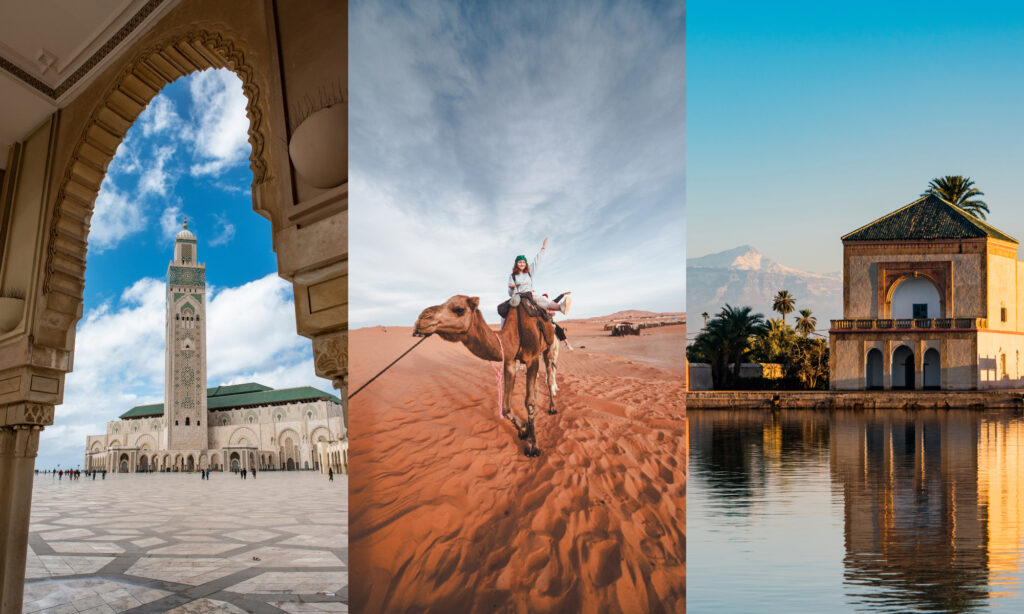
  • Merzouga (Erg Chebbi Dunes): This is the iconic Sahara experience with towering, golden sand dunes that stretch as far as the eye can see. Merzouga is located in southeastern Morocco and requires a longer journey (around 9-10 hours drive from Marrakech, or overnight bus). It’s ideal for overnight stays and multi-day desert treks. Expect camel trekking into the dunes, desert camps, breathtaking sunrises and sunsets, and a truly immersive Saharan experience.
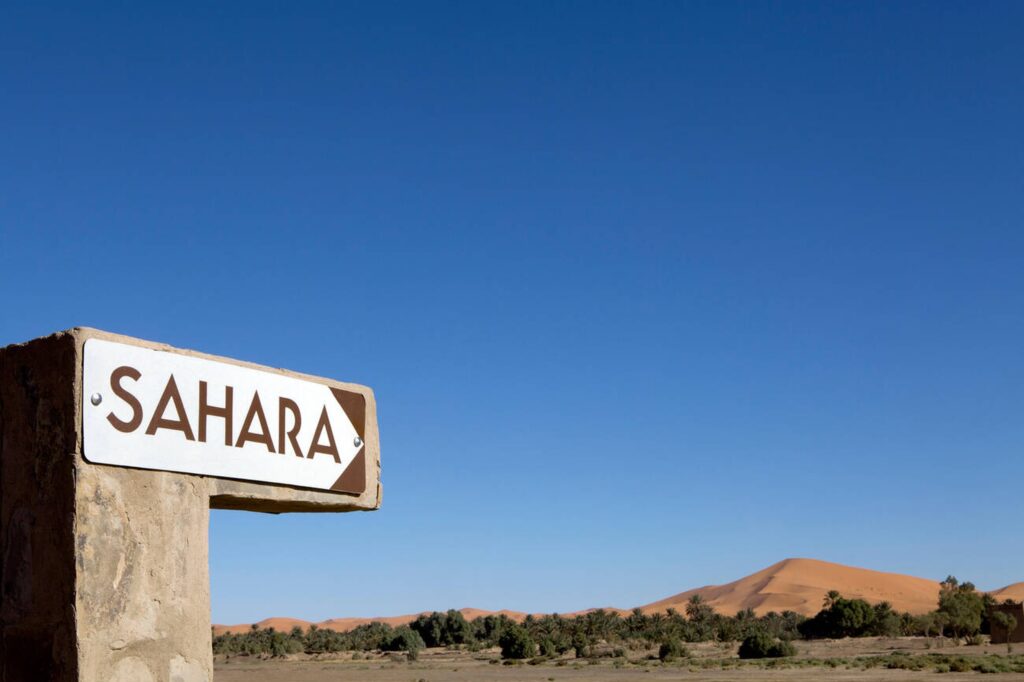
  • Zagora (Erg Chigaga Dunes): Further south than Merzouga, Zagora offers a more remote and less crowded Sahara experience. Erg Chigaga dunes are accessed by 4×4 and are larger and wilder than Erg Chebbi. This is for those seeking a more adventurous and off-the-beaten-path desert stopover. Recommended for overnight stays and multi-day treks focusing on deeper desert immersion and Berber culture.
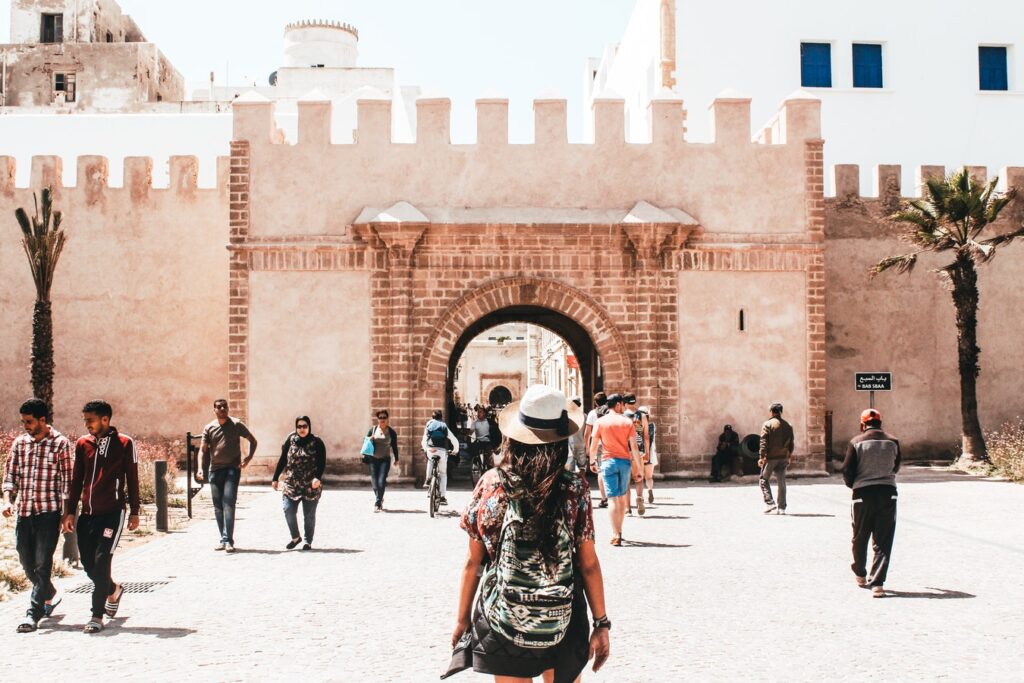
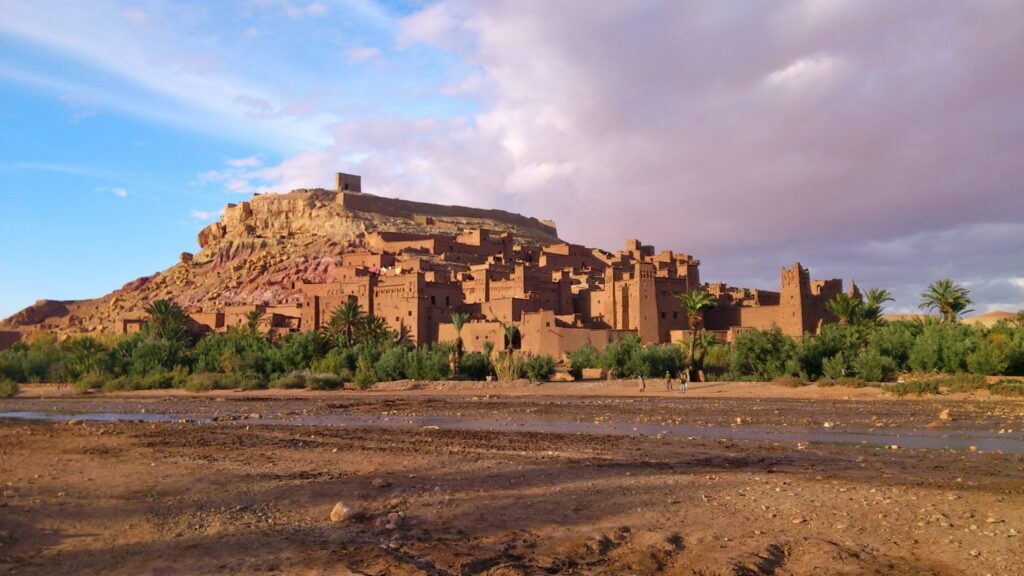
  • Ouarzazate & the Draa Valley: While not strictly “desert” in the classic dune sense, Ouarzazate and the Draa Valley serve as gateways to the Sahara and offer stunning pre-desert landscapes, oases, and kasbahs. This region is excellent for day trips or overnight stays exploring ancient kasbahs like Ait Benhaddou, lush palm groves, and the dramatic landscapes that transition towards the desert. Consider this area if you’re interested in a blend of desert scenery, history, and cultural sites.
Desert Stopover Ideas & Experiences:

Depending on your chosen location and time, here are some fantastic ideas for your desert stopover:

1. Day Trip Desert Adventures:


  • Agafay Desert Day Trip from Marrakech:

    • Camel Riding: Enjoy a camel ride through the rocky Agafay landscape, often timed for sunset views.
    • Quad Biking or Buggy Tours: For adrenaline seekers, explore Agafay’s terrain on quad bikes or buggies.
    • Luxury Desert Camps (Day Use): Many Agafay camps offer day passes for pool access, lunch, and relaxation in a desert setting.
    • Sunset Dinner in a Desert Camp: Experience a magical sunset dinner in a traditional Berber tent in Agafay, often with live music.
  • Ouarzazate & Ait Benhaddou Day Trip from Marrakech: (Longer day trip)

    • Explore Ait Benhaddou Kasbah: Visit this UNESCO World Heritage site, a stunning example of earthen architecture and a film location for many movies.
    • Atlas Film Studios Tour: Discover the “Hollywood of Morocco” and tour film studios in Ouarzazate.
    • Kasbah Telouet: Explore the partially ruined but still impressive Kasbah Telouet, once home to the powerful Glaoui family.
    • Scenic Drives through Pre-Desert Landscapes: Enjoy the dramatic scenery as you journey through the High Atlas mountains and towards Ouarzazate.

2. Overnight Desert Magic:


  • Luxury Desert Camp in Agafay or Merzouga:

    • Glamping Experience: Stay in luxurious Berber tents with comfortable beds, private bathrooms, and often pools or hot tubs.
    • Sunset Camel Trek & Sunrise Viewing: Enjoy a camel trek into the dunes at sunset, followed by a magical night under the stars, and wake up for a breathtaking sunrise.
    • Berber Dinner & Entertainment: Savor a traditional Berber dinner around a campfire, often accompanied by live music and storytelling.
    • Stargazing: Experience unparalleled stargazing in the clear desert night sky, far from city lights.
  • Authentic Berber Camp in Erg Chigaga (Zagora):

    • Remote Desert Immersion: Experience a more rustic and authentic desert camp in the less crowded Erg Chigaga dunes.
    • 4×4 Desert Adventure: Enjoy a thrilling 4×4 journey to reach the remote Erg Chigaga dunes.
    • Berber Nomad Experience: Learn about Berber nomadic culture and traditions from local guides and camp staff.
    • Desert Hiking & Exploration: Explore the vastness of Erg Chigaga on foot, experiencing the silence and solitude of the Sahara.

3. Multi-Day Desert Treks (Merzouga or Zagora):


  • Camel Trekking Expedition: Embark on a multi-day camel trek deep into the Sahara, experiencing the rhythm of desert travel.
    • Camp Under the Stars: Sleep under the stars in simple desert camps, moving location each day.
    • Berber Guides & Culture: Travel with experienced Berber guides, learning about desert survival skills, navigation, and nomadic culture.
    • Complete Desert Immersion: Disconnect from the modern world and fully immerse yourself in the vastness and beauty of the Sahara.
    • Photography Opportunities: Capture stunning desert landscapes, sunrises, sunsets, and starry nights.

Practical Tips for Your Desert Stopover:

Morocco offers diverse desert experiences, each with its own charm and accessibility:

  • Best Time to Visit: Spring (March-May) and Autumn (September-November) offer the most pleasant temperatures for desert travel. Summer (June-August) can be extremely hot, especially during the day. Winter (December-February) can be cold at night, especially in the Sahara.
  • What to Pack:
    • Sun Protection: Sunscreen, hat, sunglasses, lip balm with SPF.
    • Lightweight, Loose Clothing: Long sleeves and trousers to protect from sun and sand, but breathable fabrics.
    • Warm Layers for Night: Even in warmer months, desert nights can get cool. Bring a fleece or jacket.
    • Comfortable Walking Shoes or Boots: Closed-toe shoes are best for walking in sand and on uneven terrain.
    • Scarf or Shemagh (Keffiyeh): To protect your face and head from sun and sand.
    • Reusable Water Bottle: Stay hydrated in the desert.
    • Headlamp or Flashlight: Useful in desert camps at night.
    • Camera & Binoculars: Capture the stunning scenery and wildlife (if any).
  • Choosing a Camp or Tour Operator: Research and choose reputable tour operators or desert camps. Read reviews and compare offerings. Consider your budget and desired level of comfort.
  • Hydration is Key: Drink plenty of water throughout the day, especially in the desert heat.
  • Respectful Behavior: Be respectful of Berber culture and traditions. Dress modestly, especially when visiting villages or interacting with locals. Ask permission before taking photos of people.
  • Bargaining: If purchasing souvenirs or goods in desert areas, bargaining is often expected.

A Moroccan desert stopover, no matter the duration, is an experience that will stay with you long after you leave. It’s a chance to witness breathtaking landscapes, connect with a unique culture, and feel the profound silence and beauty of the Sahara. Start planning your desert escape and prepare to be enchanted by the magic of Morocco’s desert realms!